Showing posts with label Electric Vehicle. Show all posts

Typical parts of vehicle & General layout

What is the General layout of Vehicle?


Typical parts of vehicle:-

               In General automobile vehicle consist number of mechanical parts connected to each other, in which some parts are essentially to drive the vehicle on road, to maintain balance of it, some for strength purpose, to provide control on vehicle, to reduce emission, etc.


Video on General vehicle layout

Most of the vehicle consist (Parts of vehicle):-

1. Engine
2. Radiator
3. Radiator fan
4. Wheel/tyre
5. Front Axle
6. Universal joint
7. Fuel tank
8. Steering
9. Sliding joint
10. Universal joint
11. Leaf spring
12. Differential
13. Chassis
14. Propeller shaft
15. Silencer
16. Gear Box
17. Clutch

Type of vehicle layout of depending of position of engine:-

A. Full forward chassis
B. Semi forward chassis
C. Bus chassis
D. Engine at front chassis
E. Engine fitted at rear
F. Engine mounted at center

Type of vehicle layout depending on vehicle drive

1. Front wheel Drive.
    a) Front wheel drive with engine at front
2. Rear wheel Drive
    a) Rear wheel drive with engin at front
    b) Rear wheel drive with engine at rear 
3. All wheel Drive

Issues of electric Vehicle to face the Global competition

What are the Issues with e-vehicles??


1. Cost of Electric Vehicle /Battery Pack:

         The reduction in GST rate for electric vehicles (EVs) has helped Indian automobile industry to reduce cost to certain extent, but still they are expensive. The cost of a battery amounts to 40 percent of the total vehicle cost. The cost of the battery is expected to fall from Rs 20,000 per kilowatt hour (kWh) to Rs 5,500 per kilowatt/hour. The cost of electric vehicles is expected to be at par with combustion (engine) cars in the next 3-4 years. The concept of battery swapping essentially enables reduced wait time for charging and significantly lower up-front cost for two and three-wheelers (since they would be
sold without the battery).

2.Charging Station Infrastructure: 

       Without an accessible infrastructure that can re-charge an EV in a reasonable period of time, most motorists will be unwilling to purchase one, even if it is cheaper and its performance is better Owners of a conventional vehicle are unlikely to SWitch t0 an electric car, if the
Tueling process is more difficult, time consuming, and uncertain. if charging facilities are to be deployed at scale, they will need to be accessible to all electric car models, and will require viable business plans-plans that will provide an opportunity for investors to make a positive return on their investments. All of this is possible, but the uncertainties around technologies, regulations, and costs will have to be substantially reduced.

3. Range satisfaction: 

      Expectation of EV range depends on user. For personalized transport needs, with adequate charging infrastructure, present day electric vehicles provide adequate range. For intercity transport, there is a requirement of fast charging facility at every 50 km. Using artificial intelligence and navigation systems, driver can be well informed about the charging facility.

4. Prediction of Electric Vehicle Range:

        EV research related to the possibility of providing a more accuratee prediction of range is required. Range prediction 1s a complex problem because it depends on a number of factors (internal, external, constant, variables- Vehicle design, the driver and the environment.)

Charging of Electric Vehicle, Electric Vehicle Supply Unit (EVSU)

How the electric vehicle charged??


Electric Vehicle Supply Unit (EVSE):

EVSE stands for electric vehicle supply equipment and its function is to supply electric energy to recharge electric vehicles. EVSEs are also known as EV charging stations, electric recharging points or just charging points. EVSEs can provide a charge for the operation of electric vehicles or plug-in hybrid electric-gasoline vehicles. The Public charger makes communication that need to Occur between the EVSE and an electric vehicle. 

Charging Methods And Modes:

 Following are the charging modes for EV batteries
AC Slow Charging Mode
AC Fast Charging Mode
DC Fast Charging Mode

Home/ Private charger

The home private chargers are generally used with 230V/15A single phase plug which can deliver a maximum of up to about 2.5KW of power. Thus, the vehicles can be charged only up to this rate. The billing for the power is part of home-metering.

. Public charger

For charging outside the home premises: the electric power needs to be billed and payment needs to be collected. Further, the charges may depend on state of grid (whether it is power-surplus or is in power-deficit state). The power utilities may also want to manage power drawn by these chargers from time to time. Under AC Charging there are 2 categories of charging.

Normal AC charging

Electric 2-whee lers, 3-wheelers and 4-wheeler vehicles in India has on-board charger that charge at rate of around 2.5kW. These AC 2.5KW Chargers could fast charge a 2-wheeler (for a battery with an energy density of 2KWh) in an hour's time; 4-wheeler or larger vehicles with batteries of 12 KWh or more will be charged in about SIX hours.

Fast AC charging

Worldwide, electric cars like the Nissan Leaf or the Tesla have on board chargers with higher power ratings This enables AC charging at a faster rate, from 7.7 kw to 22 kw.

DC Fast Charging:

In this method of charging, DC current is sent to the electric car's battery directy Via the DC charge port. Fast charge rate (usually 50 KW or more outside India) can supply 100 or more km's of range per hour of charging.

       DC Charging Specifications: Power rating of fast chargers are 10kW/1 5kW/30kW/5OkW or even higher capacity. Voltage rating at which fast charging has to be carried out. 48V/72V for Indian electric cars like the Mahindra e20 Plus P8, Mahindra e-Verito and upcoming Tata electric cars Up to 75OV or even higher used by global electric cars like Nissan Leaf and others.

Level 1 DC Chargers

Public DC Chargers at output voltage of 48V/ 72V, with power outputs of 10 kW / 15 kW with maximum current of up to 200A. Level 2 DC Chargers Public DC Chargers at output voltage up to 1000V, with power outputs of 30 kW / 150 kW


Hybrid Electric Vehicle batteries

Which Batteries are used in Hybrid Electric Vehicle?

1. Li-ion batteries:

           In the lithium-ion system, a lithium-carbon electrode acts as the negative electrode material. The lithium is not present in the form of metal, but either as an ion in the electrolyte or chemically bound to the positive or negative electrode. The carbon electrode is characterized by its high life-cycle stability. Small cells using lithium-ion systems have so far displayed energy density of 120 Wh/kg. The lithium-ion system used at the moment for portable batteries already satisfies two key conditions for an electric vehicle i.e. high specific energy and a long service life. Cobalt, the main element in the positive electrode, is a relatively expensive metal. The cobalt is replaced by manganese oxide. Cells using these new materials achieve comparable specific energy and specific power. The next generation of lithium-ion is expected to contain a solid polymer electrolyte. Estimation of material costs show that there is a possibility of producing batteries for electric vehicle at costs considerably more favourable than those of Ni-MH.

Specifications:

Specific energy: 100 to 120 Wh/kg
Energy density: 200 to 250 Wh/L
Maximum power: 200 W/kg
Charge time:4 hours

2. Sodium Nickel Chloride Batteries:

       Sodium-nickel-chloride batteries are under development but not yet widespread, because the high operating temperature currently still results in too high self-discharge losses. These batteries show energy density over 80 Wh/ kg and specific power over 110 W/kg at full charge. The battery has the potential to meet a life goal of 5 years.

3. Sodium Sulphur Batteries:

        Research is underway to improve battery technology to have a higher energy density for electric vehicles. A potential contender however is the sodium sulphur (NaS) battery, which has reached the production state in near past. The NaS battery offers high specific energy 100 Wh/kg with relatively low-cost battery materials. Specific power value is 130 W/kg. The sodium sulphur (NaS) battery uses a cathode of liquid sodium into which a current collector, a solid electrode of B-alumina is placed. The complete assembly is surrounded by a metal can, which is in contact with the anode, a sulphur electrode. A running temperature of 300°C is necessary with NaS system, which is the major problem. A heater in the capacity of a few hundred watts forms part of the charging circuit, which maintains the battery temperature when the vehicle is not running. The battery temperature is maintained when it is in use due to losses in the battery
          cell of this battery is very small, using only about 15 gm of sodium. This is a safety feature because if the cell is damaged the sulphur on the outside causes the potentially dangerous sodium to be converted into poly-sulphides, which are comparatively harmless. The additional advantage is that the cells can be located around the car. The capacity of each cell is about 10 Ah with an output voltage of about 2 V. These cells fail in an open circuit condition and hence this must be taken into account. A problem yet to be solved with this system is its casing material, which is prone to fail due to the very corrosive nature of the sodium. Presently an expensive chromised coating is used.
         This type of battery combined with an electric motor, seems to be a very good competitor to the internal combustion engine. The servicing and charging infrastructure needs to be developed but looks promising. It is estimated that the cost of running an electric vehicle may be little around 15% of the petrol version, which may absorb the extra cost of production.

4. Fuel Cell:

         The energy of oxidation of conventional fuels, which it usually manifested as heat, may be converted directly into electricity, in a fuel cell. The process of oxidation involves a transfer of electrons between the fuel and oxidant and in a fuel cell works on this principle where the energy is directly converted into electricity. All battery cells involve an oxide reduction at the positive pole and an oxidation at the negative pole during some part of their chemical process. For the separation of these reactions in a fuel cell an anode, cathode and electrolyte are required. The electrolyte is fed directly with the fuel. When hydrogen fuel is combined with oxygen it is found to be a most efficient design. Fuel cells are very reliable and silent in operation, but at present are very expensive to construct. Figure shows a simplified representation of a fuel cell. In one type of fuel cell hydrogen is passed over an electrode (the anode) of porous nickel, which is coated with a catalyst, and the hydrogen diffuses into the electrolyte. This causes electrons to be stripped off the hydrogen atoms. These electrons then pass through the external circuit. Negatively charged hydrogen anions (OH-) are formed at the electrode over which oxygen is passed, such that they also diffuse into the solution. These move through the electrolyte to the anode. The electrolyte used is a solution of potassium hydroxide (KOH). Water is formed as the by-product of a reaction involving the hydrogen ions, electrons and oxygen atoms. If the heat generated by the fuel cell is used, then an efficiency of over 80% is possible together with a very good energy density. The working temperatures of these cells varies but about 300-400°C. High pressure 2.4-40 MPa is also used. The pressures and storage of hydrogen are the main problems to overcome with fuel cells before they can be realistic alternatives to other forms of storage for the mass market. It is believed that hydrogen fuel cell cars will hardly become commercially viable economically competitive with other technologies because they have inefficiency of producing, transporting and storing hydrogen and the flammability of the gas. 

indian government initiatives Regarding electric vehicles

Indian Government Policies/ Programmes:

       In India, the first concrete decision to incentivize electric vehicles was taken in 2010. According to a Rs 95-crore scheme approved by the Ministry of New and Renewable Energy (MNRE), the government announced a financial incentive for manufacturers for electric vehicles sold in India. The scheme, effective from November 2010, envisaged incentives of up to 20 per cent on ex-factory prices of vehicles, subject to a maximum limit. However, the subsidy scheme was later withdrawn by the MNRE in March 2012.
       In 2013, Indian Government unveiled the 'National Electric Mobility Mission Plan (NEMMP) 2020' to make a major shift to electric vehicles and to address the issues of national energy security, vehicular pollution and growth of domestic manufacturing capabilities. Though the scheme was to offer subsidies and create supporting infrastructure for e-vehicles, the plan mostly remained on papers. While presenting the Union Budget for 2015-16 in Parliament, then finance minister announced Faster Adoption and Manufacturing of Electric Vehicles (FAME), with an initial outlay of Rs 75 crore. The scheme was announced with an aim to offer incentives for clean-fuel technology cars to boost their sales to up to 7 million vehicles by 2020
        In 2017, Transport Minister made a statement showing India's intent to move to 100 per cent electric cars by 2030. However, the automobile industry raised concerns over the execution of such a plan. The government subsequently diluted the plan from 100 percent to 30 per cent.
         In February 2019, the Union Cabinet cleared Rs 10,000-crore programme under the FAME-II scheme. This scheme came into force from April 1, 2019. The main objective of the scheme is to encourage a faster adoption of electric and hybrid vehicles by offering upfront incentives on purchase of electric vehicles and also by establishing necessary charging infrastructure for EVs.

Electric vehicle types (BEV and PHEV)

What is electric hybrid vehicle???


Definition:

 An electric vehicle (EV) is one that operates on an electric motor tor vehicle propulsion, instead of an internal-combustion engine that generates power by burning a mix of fuel and gases.
      based Electric vehicle includes electric 2-wheeler, 3-wheeler, cars and electric buses. Electric vehicle is seen as a possible replacement for current-generation automobile, in order to address the issue of rising pollution, global warming and depleting natural resources
      Battery electric vehicle (BEV) and plug-in hybrid electric vehicle (PHEV) offer the potential to reduce the CO2 emissions of the traffic sector and the dependence on mineral oil. The reasons for this are the higher efficiency of electric power trains in the  possibility of using renewably generated electricity for transportation. As BEVs and PHEVs in electric mode are operated locally emission-free, they also reduce the pollution in densely populated areas. Besides ecological reasons, economic reasons will facilitate the introduction of electric vehicle. Increasing prize for mineral oil and decreasing batteries prices are the drivers for this.
      An advantage of battery electric vehicles is that batteries can be charged at off-peak times-enhances options to make grid electricity less costly and  more efficient. 
      Though the concept of electric vehicles has been around for a long time, it has drawn a considerable amount of interest in the past decade amid a rising carbon footprint and other environmental impacts of fuel-based vehicles.

Hybrid Electric Vehicles Benefits, Function and limitations

1. Benefits of electric machine in HEV as compared to ICE

• Constant high torque at low speeds 
• Very high efficiency
• Instant torque delivery
• Energy recovery capability

2. Functions of hybrid Electric vehicle

• Engine idle stop/start
• Electric torque assistance(fill and boost)
• Energy recuperation (regenerative breaking)
• Electric driving
• Battery charging (during driving)
• Battery charging (from the grid)

3. The main limitations of a HEV are:-

• It adds more weight to the vehicle due to additional electric components,
• It is more difficult to build the HEV
• The total cost of purchasing and ownership increase (compared to a ICE vehicle). In most of the HEVs the electric propulsion is done using premanent-magnet electric machine. 

Hybrid Electric Vehicle Manufacturer, Mahindra, BMW, Volvo, Lexus, Toyota

Do you want to know, who is Hybrid Vehicle Manufacturer???


1. Mahindra e-Verito

Mahindra is now integrating electric technology in almost every future car. The Verito sedan is the perfect combination of electric and conventional cars.

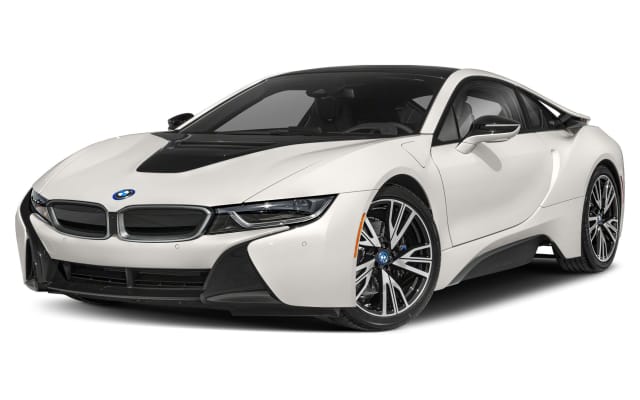
2. BMW i8

The BMW i8is not just an electric car. It is a sports car that has an all -electric range of 37km, with 0-100 kmph ability in less then 4.5 seconds.

3. Volvo XC90 T8


It is the first hybrid SUV across Indian soil when launched. The most distinguished features of the car include individual electronically-adjustable recycling rear seats with massage & ventilation functions. Further more, the car also offer increase legroom with footrests. Additionally , the car also has ambient lighting and illuminated storage in addition to a regal design.


4. Lexus LS500h

Lexus is ever-present in luxury segment. It recently launched a range of hybrid vehicle/car in various segment. The car were under ES(mid-size), LS(full-size), RX(mid-size crossover), and NX(compact SUV), categories

5. Toyota Camry

Toyota is hailed as the pioneer for hybrid technology in cars. The Camry sedan by Toyota has enjoyed spectacular success elsewhere in the world. It is now poised to enter the Indian market.

Type of Hybrid cars as Series Hybrid, Parallel Hybrid

Which are the type of hybrid cars?

       Hybrids are mainly classified based on the following criteria:
1. The structure of drive-train 
2. The degree of hybridization


Also as given
1. Depending upon the structure of drivetrain, hybrid vehicles are further classified as:-

Series Hybrid:

In this type of hybrid vehicle, wheels are powered only by an Electric motor which ultimately derives its power from the electric battery. The IC engine installed in the vehicle does not supply power to wheels directly. So, these vehicles need large capacity batteries. 
The series hybrid vehicle is more efficient in low-speed driving involving frequent start-stop.

Parallel Hybrid:

      In this type of a hybrid vehicle, wheels get power from both the IC engine and an Electric Motor. The drivetrain of these vehicles is so designed that it can receive power from both the IC engine and Battery simultaneously. However, the IC engine serves as the main source of power in the Parallel hybrid vehicle.
    As electric battery's role is only to support the engine, these vehicles need a smaller capacity battery. A parallel hybrid is more effective in high-speed driving

Series-Parallel Hybrid/ Power split Hybrid:

This recently developed system is a combination of a series hybrid system and parallel hybrid system. Thus, it takes the best from both the worlds. Depending upon the load on vehicle. It can act like a parallel hybrid vehicle or a series hybrid vehicle. The control module governs the selection of the most suitable mode.
     Almost all modern hybrid vehicle belong to this category E.g. Toyota Prius, Toyota Camry, Honda Civic etc.o

2. Degree of hybridization
Based on degree of hybridization hybrids are classifieds as follows:


A. Mild Hybrid:

    Micro hybrid technology is the lowest level of vehicle hybridization. It contains mainly start stop technology. Here energy stored in an axillary batteries is used to quickly start a vehicle at traffic signal. In india, a common example of micro hybrid is the Mahindra Scorpio.
B. Mild hybrid:
     These hybrid cannot run on electric battery alone as the battery used in them is of higher capacity.
C. Strong Hybrids/Full hybrids :
This vehicle can run in either the IC engine or the electronic battery is used for start stop and also for driving vehicle for short distance at low speed or to aid in acceleration. Above this there are full hybrid and plug in hybrids vehicles where the vehicle can move considerable distance using batteries.

future scope of automobile industry in india in hybrid Electric Cars

Do you want to know about Hybrid Cars?

     Definition:- A hybrid electric vehicle (HEV) is a type of hybrid vehicle that combines a conventional combustion engine(ICE) system with an electric propulsion system (hybrid vehicle drivetrains)
       there are three main reasons for which the automotive manufacturers are developing and selling HEVs:

#Reduction of the CO2 emissions (by reduction of the fuel consumption)

#Reduction Of The Exhaust Gas Toxic Emissions

#Improvement of the powertrain dynamics (by increasing total power and torque)

        There is a variety of HEV types, and the degree to which each functions as an electric vehicle (EV) also varies. The most common form of HEV is the hybrid electric car although hybrid electric trucks (pickups and tractors) and buses also exist.

     The power train of a HEV is quite complex because it contains all the components or an ICE vehicle plus most of the components of a pure electric vehicle (EV). Also, depending on the level of hybridization, it needs two energy sources, the fuel tank for the engine and a battery for the electric machine.

Main components of a Hybrid vehicle:


1. An internal combustion engine (i.e. Petrol engine/ Diesel engine):

      In most of the hybrid vehicles, IC engine acts as the main source of power.

2. Electric motor:

      It transforms the electric energy stored in a battery into mechanical energy i.e. it drives wheels with the help of electricity stored in a battery

3. Electric battery:

      Its function is to store electric energy and supply it whenever necessary.

4. Inverter:

        Electricity stored in an electric battery is in the form of Direct Current (DC) while the majority of the motors used in the present day hybrid vehicles. require Alternating Current (AC) to run. So, an Inverter performs the function of converting the DC from the battery to AC for the motor.

5. Electric Generator (Exclusive for series & series-parallel hybrids): 

      The function of a generator is to produce electricity when driven by an external power source. Series hybrids use this component where an IC engine drives a generator to produce electricity which then charges the battery.

6. Control Module: 

     It is the most important component of the hybrid vehicle. It controls the entire operation of the vehicle by synchronizing all the power sources employed